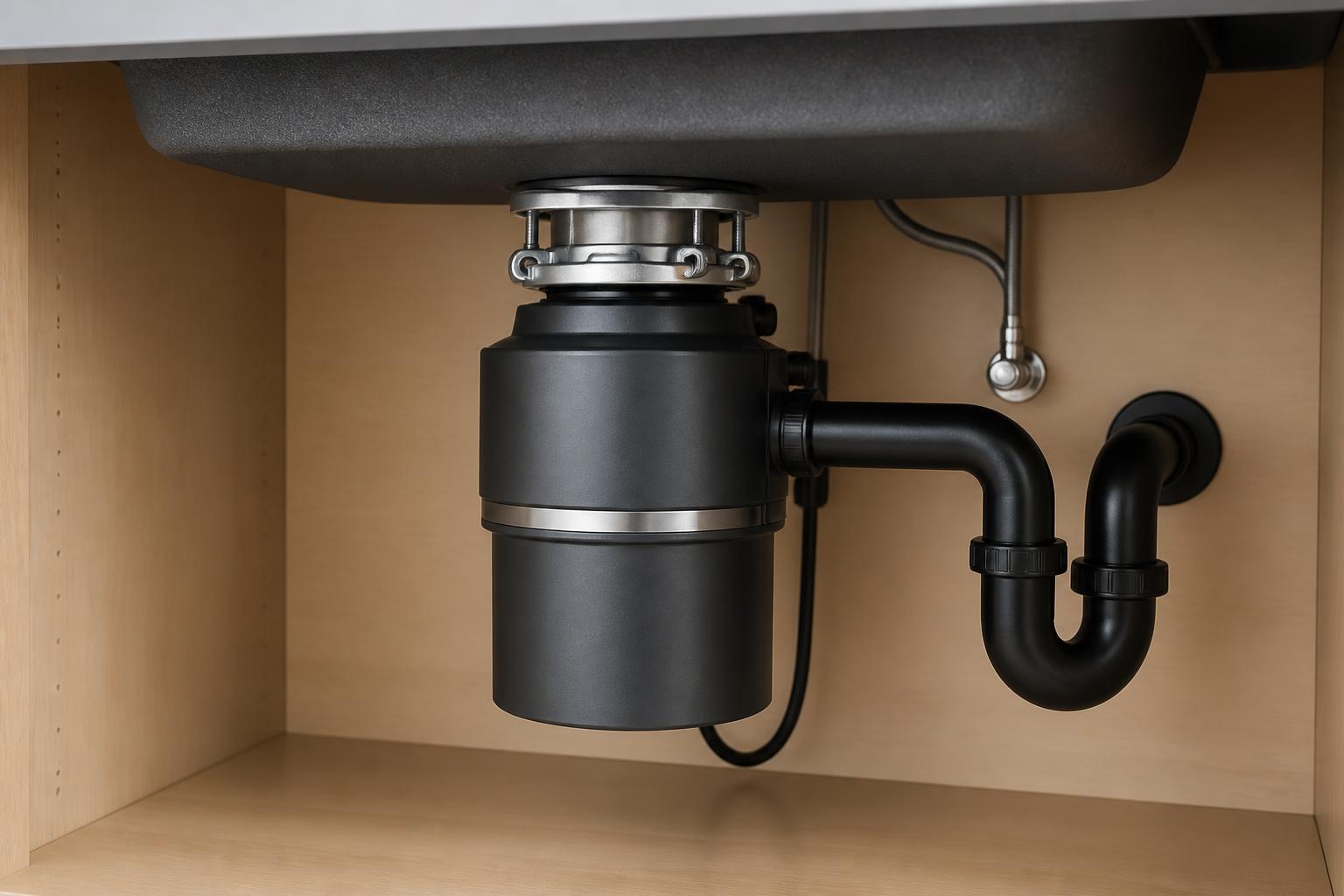
A garbage disposal that hums, jams, leaks, or refuses to turn on can bring your kitchen to a stop fast. If the sink backs up after a few scraps, the reset button keeps tripping, or you hear grinding without clearing the blockage, it is time to get it looked at before the problem spreads to the drain line.
Prime San Diego Plumber CA handles garbage disposal repair for San Diego, CA homes with a focus on fixing the cause, not just the symptom. We check the unit, the connection points, and the drain opening so you know what is failing and what needs to happen next.
Many disposal problems start small. A unit may still run, but it can be giving you clear signs that repair is needed soon.
If your disposal is showing one or more of these signs, a quick repair visit can often prevent a mess under the sink and protect the drain line from further blockage.
Garbage disposals fail for a few common reasons, and the right repair depends on what is actually causing the trouble.
During a visit, we look for the actual source of the breakdown so the repair matches the problem. That saves time and helps avoid repeat service for the same issue.
When you call Prime San Diego Plumber CA for garbage disposal repair in San Diego, CA, we start with the symptom you are noticing and trace it back through the unit and connected drain.
We inspect the sink, disposal body, drain tie-in, and under-sink connections for signs of jamming, leaks, or visible damage. If the unit is humming, tripping, or not responding, that helps narrow the cause right away.
After we identify the issue, we clear jams, address loose components, repair leaking connections, and check the disposal’s response under load. We also test how water moves through the sink after the repair.
A disposal repair should leave the area ready for use, not coated with residue or water drips. We make sure the unit is reassembled and tested before we wrap up the visit.
Not every noisy disposal needs replacement right away. A lot depends on the condition of the unit, the type of failure, and how often the problem is happening.
Repair is often a good option when:
If the unit has repeated failures or severe damage, we will explain what we are seeing so you can make a clear decision. The goal is to give you the most practical path for your kitchen, not a rushed fix that leaves you with the same issue later.
Once the repair is done, a few habits can reduce strain on the disposal and help it handle everyday kitchen use better.
These habits are simple, but they make a difference. They help the disposal work with your sink and drain instead of fighting against buildup and overuse.
Some disposal calls are really leak calls. Water under the sink can come from a cracked housing, loose drain connection, failed seal, or mounting problem where the disposal meets the sink opening.
Leaks deserve attention quickly because they can spread moisture across cabinets, create odors, and make it harder to spot the real source later. If you notice water around the base of the disposal, dampness on the pipe fittings, or a drip after the sink is used, we can trace it and repair the connection point that is letting water escape.
In many cases, the leak is not coming from the sink itself. It is coming from a fitting that has shifted over time or a seal that is no longer holding as it should. Careful repair at the right spot is what stops the drip.
Prime San Diego Plumber CA provides garbage disposal repair for San Diego, CA and nearby communities, including La Mesa, Lemon Grove, Chula Vista, National City, El Cajon, Santee, Poway, and Vista.
If you are near 4271 Genesee Ave or elsewhere across the area, we can help when your disposal starts humming, leaking, or backing up the sink.
If your disposal is stuck, noisy, or leaking, stop forcing it through repeated switch flips or repeated resets. That can make the problem worse or push a small jam into a larger one.
Before the visit, keep the sink clear of extra scraps and avoid running the disposal again if it is producing a burning smell, grinding loudly, or leaking underneath. Then contact Prime San Diego Plumber CA and describe what you are hearing, seeing, or smelling. That gives us a faster path to the right repair.
That usually means the motor is receiving power, but the internal grind mechanism is jammed or blocked. A stuck object, compacted food waste, or a worn internal part can cause the humming sound.
Backups often point to a clog in the disposal discharge path or the connected drain line. The unit may be running, but water cannot pass through fast enough to clear the sink.
Leaks often come from loose fittings, worn seals, a shifted mount, or a crack in part of the disposal housing. Tracing the exact drip point matters because water can travel along pipes before it drops.
Repeated reset trips can mean the disposal is overloaded, jammed, overheated, or dealing with an electrical issue. If it keeps happening, the unit should be inspected before more use.
Often, yes. Some noises come from a jam, a trapped object, or loose mounting hardware. The type of sound helps determine whether the fix is simple or whether parts inside the unit are worn.
Hard items, fibrous scraps, grease, bones, pits, shells, and utensils can all create jams or blockages. Small food waste is usually easier on the unit than large or dense scraps.

Start Here
Call or send a message to describe the issue, and we will help you find the right service for your plumbing repair, replacement, or maintenance needs.