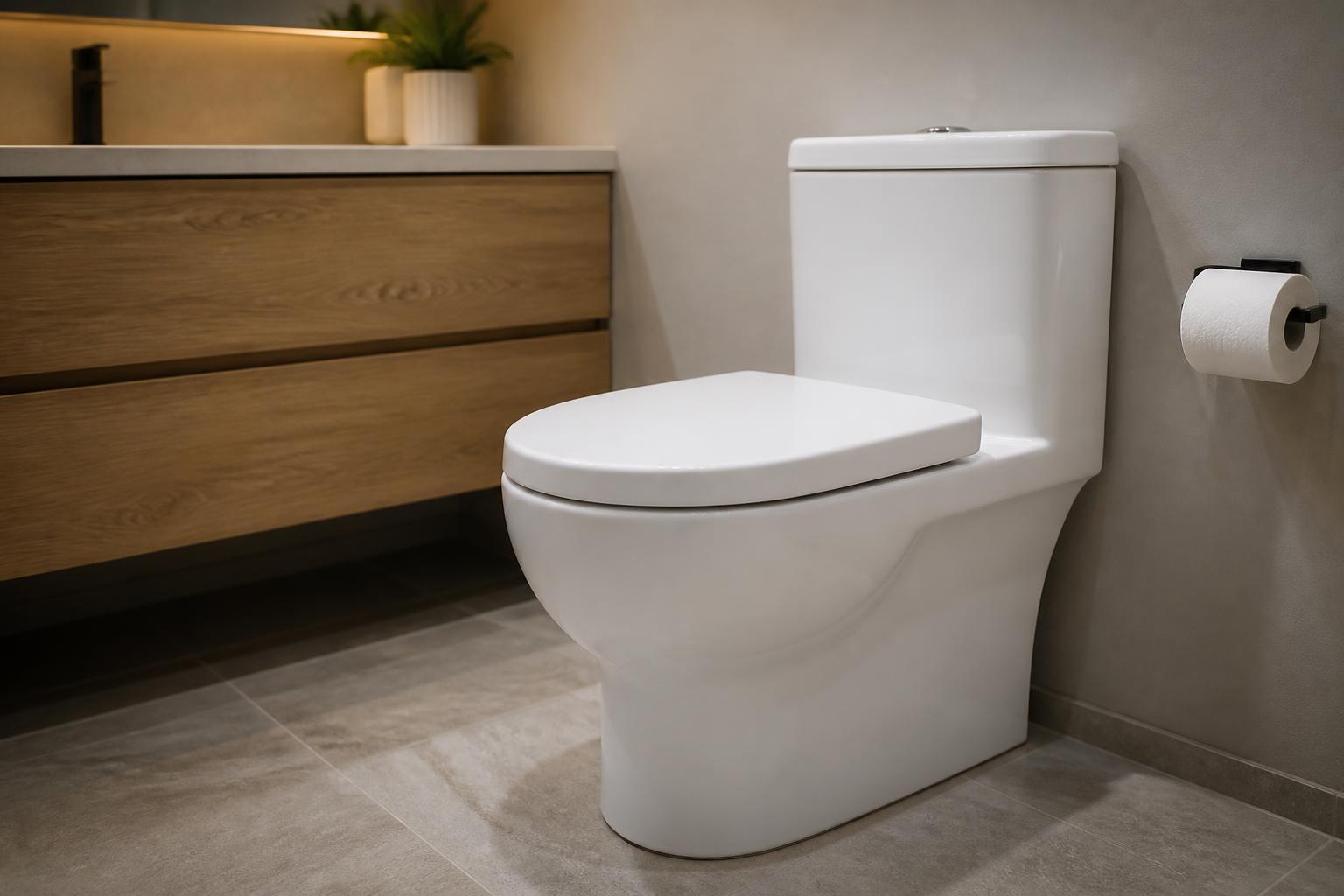
A toilet that keeps running, rocks at the base, or backs up more than once is more than a nuisance. It can waste water, leave stains, and turn a small annoyance into a bigger repair if it is ignored.
If you are dealing with weak flushing, a constant refill sound, water around the base, or a toilet that will not stop clogging, Prime San Diego Plumber CA can take a close look and repair the problem. We work with homeowners across San Diego, CA and nearby areas, and we focus on the part of the toilet that is actually failing so you are not left guessing.
Toilets often give clear warning signs before they fail completely. Some issues show up slowly, while others appear all at once after a flush.
If one of these signs keeps showing up, the fix usually starts with a careful inspection of the tank, bowl, seals, and drain connection. Prime San Diego Plumber CA can help narrow it down and get the right repair started.
Toilet repair is not always about replacing the whole fixture. Many problems can be traced to one worn part, a loose connection, or a damaged seal. We handle the most common toilet issues that homeowners run into day after day.
A running toilet often comes from inside the tank. Flappers, fill valves, chain connections, and overflow issues can all cause water to keep moving when it should stop. Repairing the tank parts can reduce waste and bring the flush back to normal.
Water around the toilet base should never be ignored. In some cases, the wax seal or another connection has failed, allowing water to escape when the toilet is flushed. We look closely at the base and the surrounding area to find the source before making the repair.
Weak flushing and frequent clogs may point to a problem with the flush pathway, the toilet's internal parts, or a drain issue connected to the fixture. We check the whole toilet setup so the repair addresses the actual cause, not just the symptom.
A toilet that clogs once may just have a temporary blockage. A toilet that clogs repeatedly needs more attention. Repeated clogs can happen when the toilet trap has an obstruction, the tank is not releasing enough water, or the drain line has a restriction that affects the fixture.
Instead of forcing the issue with repeated plunging, it is better to find out why the clog keeps coming back. That may mean adjusting a tank component, clearing the line connected to the toilet, or repairing a worn part that is making each flush less effective.
Leaks can show up where you least expect them. Sometimes the tank is seeping. Sometimes the supply connection is loose. Sometimes the toilet itself is shifting at the floor and breaking the seal beneath it.
A toilet that rocks when you sit down or flush can do more than feel unstable. Movement can strain the wax ring or other seals and allow water to escape. That moisture can damage the floor and make the repair more involved if it is left alone. We check for looseness, worn connections, and signs that the fixture is not seated correctly.
Visible water at the base or behind the toilet deserves attention right away. Even a small amount may point to a leak that only appears during or after flushing. A careful inspection helps separate a tank leak from a supply line issue or a base seal problem.
When Prime San Diego Plumber CA comes out for toilet repair, we start with the symptom you are seeing and trace it back to the cause. That saves time and helps avoid replacing parts that are still working.
This approach keeps the repair focused. It also gives you a clearer picture of what failed and what changed once the fix was made.
If your toilet is acting up, a few simple observations can help before the visit. You do not need to take anything apart. Just notice what the toilet is doing and when it happens.
These details help us move faster once we arrive at your home in San Diego, CA. They also make it easier to decide whether the issue is minor or part of a larger plumbing problem tied to the fixture.
Toilet problems tend to get louder, wetter, or more stubborn when they are ignored. A running toilet can waste water every day. A leaking base can damage the floor around the fixture. A toilet that keeps clogging can disrupt the household and make a simple fixture feel unreliable.
Getting the repair done sooner often keeps the work smaller. It can also help prevent staining, odor concerns, and repeated cleanup around the bathroom. If your toilet has started changing behavior, that is usually the right time to act.
Homeowners across San Diego, CA call Prime San Diego Plumber CA when a toilet stops behaving the way it should. Whether the issue is a noisy tank, a loose base, a stubborn clog, or a leak that only shows up after flushing, we focus on the source and repair it with care.
Our service area also includes nearby communities such as La Mesa, Lemon Grove, Chula Vista, National City, El Cajon, Santee, Poway, and Vista. If your toilet is giving you repeated trouble, we are ready to help restore normal use without the guesswork.
A running toilet often points to a tank part that is not sealing or closing the way it should. The flapper, fill valve, chain, or water level inside the tank may need attention.
Water at the base may come from a failed seal, a loose connection, or movement at the fixture. The leak often appears during flushing rather than all the time.
Repeated clogs can come from a partial blockage, a weak flush, or a drain issue affecting that toilet. The pattern helps determine whether the problem is inside the fixture or farther down the line.
Yes, many loose toilets can be reset or repaired by addressing the seal and securing the fixture again. The right fix depends on what is causing the movement.
Weak flushing can happen when tank parts are not releasing enough water or when the toilet has a restriction that limits flow. An inspection can show which side of the problem needs repair.
Pay attention to running water, slow flushing, repeated clogs, wobbling, and moisture near the base. Those signs help point to the part of the toilet that needs repair.

Start Here
Call or send a message to describe the issue, and we will help you find the right service for your plumbing repair, replacement, or maintenance needs.